Smart Trackers
Bluetooth and GPS item trackers for keys, bags, and luggage — reviewed for real pairing, battery life, and an honest read on network-coverage and "review count" marketing claims.
Most trackers in this category fall into one of two families, and the difference matters more than any single spec on the box. A Bluetooth tag like Apple's own AirTag (and its third-party competitors) has no cellular chip of its own — it rides a crowdsourced network of nearby smartphones to report a location, which is cheap and subscription-free but depends entirely on other people's devices being nearby. A cellular GPS tracker carries its own SIM and reports live location anywhere it has signal, but that convenience comes with an ongoing data-plan cost. Neither is "better" in the abstract — it depends on whether you're tagging a backpack around town or tracking a vehicle on the move.
What actually separates one tracker from another inside the same family is rarely the headline pairing speed. Watch for three things: whether the product is honest about which ecosystem it needs (Apple's Find My trackers are Apple-only, full stop), whether the battery is a standard replaceable cell or a sealed unit you'll eventually have to discard, and whether the price is shown plainly or only revealed once you reach checkout.
Reviews
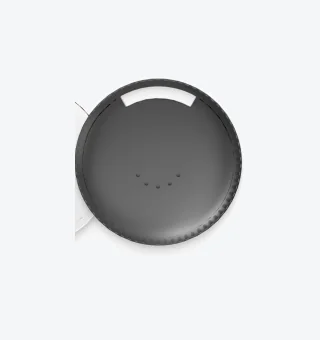
VOYGE Tag Review
A coin-cell Bluetooth tag that pairs with Apple Find My — we separate the real specs from the hype.
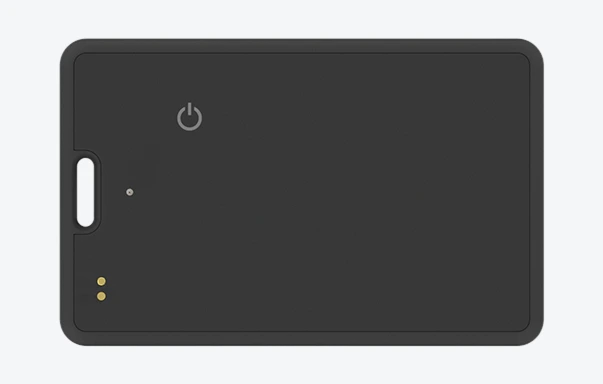
Voyge Smart Locator Review
Card-thin (1.6mm) wallet tracker using Apple's Find My network, wirelessly rechargeable, no subscription
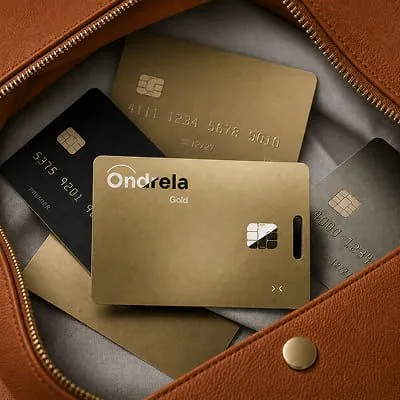
Ondrela Gold Review
Ultra-thin (1.7mm) wallet card that works with both Apple Find My and Google Find Hub — cross-platform, wirelessly rechargeable, no subscription
Looking for an item tracker?
Start with our VOYGE Tag review for an honest breakdown.