Bunion Correctors
Independent hands-on reviews and practical guides for orthopedic bunion splints, mechanical dial-adjustment braces, and toe straighteners designed to relieve joint pressure during rest and recovery.
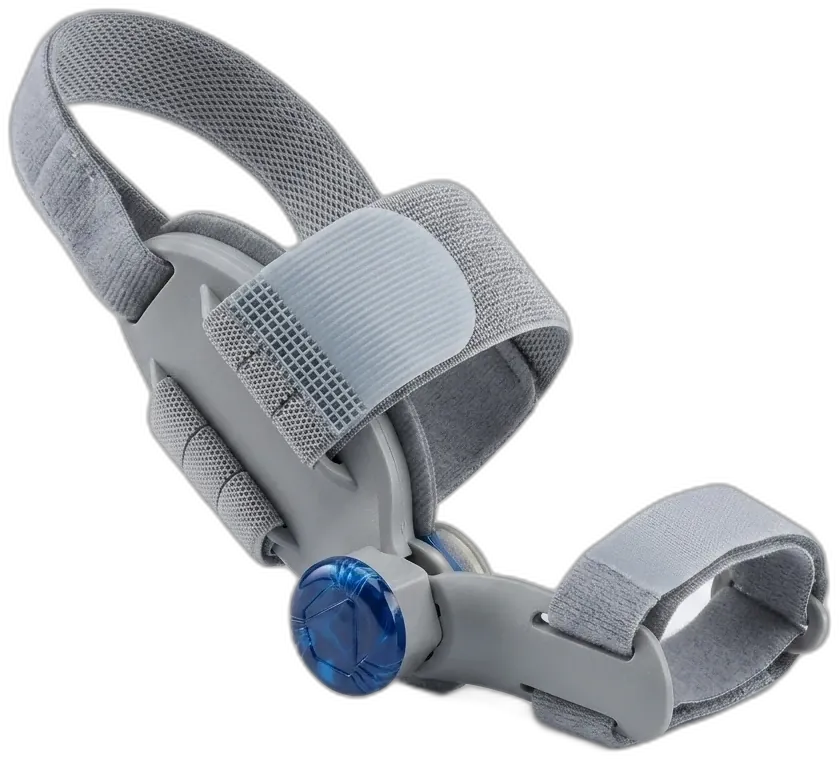
A bunion corrector like this is a mechanical brace, not a medical device or a treatment for hallux valgus itself — it can't reverse a bone deformity, and manufacturers' own disclaimers almost always say so once you look past the "fixes your bunion" framing on the sales page. What's genuinely checkable is the traction mechanism: whether adjustment comes from a dial, elastic, or velcro strap, how the toe loop and midfoot anchor actually sit against the joint, and whether the padding is substantial enough for overnight wear rather than just cosmetic. Watch for language that blurs pain relief (plausible, from any consistent gentle traction) with structural correction (not something a soft brace can deliver) — and for review counts or "doctor recommended" claims with no named source behind them. What's worth comparing across models: adjustment mechanism and range, whether it fits both feet or is left/right-specific, material against bare skin for overnight wear, and the length and terms of any money-back guarantee.
Looking for Health & Wellness recommendations?
Explore our tested picks across orthopedic recovery and health devices.