Cooper Zen Socks Review: Does 15-20mmHg Copper Compression Actually Help?
 By Naomi Reyes · Updated September 1, 2026
Key Takeaways
Anyone who spends the day sitting at a desk, driving, or on their feet in a service or medical job knows the end-of-day feeling: heavy legs, swollen ankles, feet that ache before you're even halfway through a shift. Graduated compression socks are the standard, doctor-recommended answer to that specific problem, widely used for long flights and by people on their feet for hours at a time. Cooper Zen Socks is one entrant in that established category, built around a real 15-20mmHg compression spec and a copper-infused fabric — the compression mechanism is genuinely clinical, even where some of the marketing framing around it isn't.
- A real, clinical-grade compression spec. 15-20mmHg is the same range doctors reference for over-the-counter travel and flight socks, not an arbitrary marketing number.
- Copper fabric with genuine antimicrobial backing. Copper's antifungal and anti-odor properties are documented in real research, including a cited study in the journal Foot.
- The doctor framing is marketing, not a verified endorsement. The page's "from the desk of" presentation names no independently checkable credentials, and the same voice recurs across other unrelated product funnels.
- Backed by a 180-day guarantee. A notably longer no-questions-asked window than most compression-sock brands offer.
Long hours on your feet or stuck behind a desk both do the same thing to your legs: without regular movement, the muscles that normally help push blood back up toward the heart stop doing their job as well, and blood pools in the lower legs and feet. That's the everyday, low-grade version of the circulation problem that graduated compression was originally designed to address for people at real risk of blood clots on long flights — and the same mechanism is why office workers, nurses, retail staff, and frequent travelers have adopted compression socks as a comfort tool, not just a medical device. Cooper Zen Socks is positioned squarely in that everyday-comfort market, built around a compression spec and fabric technology that are largely real, layered under some looser claims about energy and circulation "boosting."
What Is Cooper Zen Socks, Mechanically?
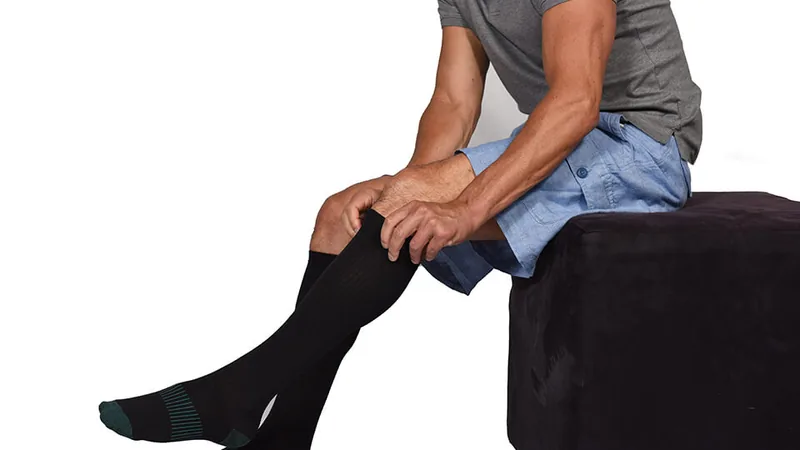
The socks use graduated compression: the tightest pressure sits at the ankle, gradually easing further up the leg, which is the mechanism doctors reference when recommending compression for sluggish circulation — it works with gravity to help push blood back toward the heart rather than letting it pool at the ankles. The seller states a 15-20mmHg pressure range, which lines up with the strength commonly sold over-the-counter for travel and everyday-comfort use (stronger medical-grade compression above 20mmHg typically requires a prescription fitting). The fabric itself, branded "Copper-i10," is a nylon knit infused with copper ions, stated at roughly 12% concentration; copper has real, independently documented antimicrobial and antifungal properties, distinct from the compression function itself. The socks are also built with a reinforced heel, toe, and arch, and a no-slip cuff meant to stop them from sliding down during the day.
Who Cooper Zen Socks Is For
The clearest fit is anyone whose day involves long stretches of sitting or standing — office workers, long-haul drivers, retail and medical staff, and frequent flyers — looking for a comfort-and-prevention layer against the achiness and swelling that comes with it. It's a reasonable everyday-wear product precisely because 15-20mmHg is a mild-to-moderate strength meant for daily use rather than short medical sessions. It's a poor substitute, though, for anyone with a diagnosed circulatory condition — varicose veins, a history of blood clots, or nerve damage from diabetes — where compression strength and fit should be guided by a doctor rather than a one-size marketing page, whatever the sales copy implies about treating those conditions.
Cooper Zen Socks
Graduated-compression socks (15-20mmHg) in a copper-infused, antifungal fabric for all-day circulation comfort.
✓ 180-day money-back guarantee, stated on the offer page.
Visit Official Page → This offer is temporarily unavailable — showing our current alternative pick.Living With It
Compression socks live or die on two things: whether the pressure actually feels supportive rather than restrictive, and whether they're comfortable enough to keep wearing all day, every day. The reinforced heel and toe sections and the no-slip cuff are aimed squarely at the two biggest everyday complaints with cheaper compression socks — bunching at the toe and sliding down the calf by mid-afternoon. The copper-infused, breathable nylon construction is meant to solve the other common complaint: cheap compression fabric running hot and sweaty over a full day of wear. Beyond picking the right size off the seller's size chart, there's no special routine involved — they go on like a normal sock and wash like one too, with no separate maintenance beyond that.
What Works in Its Favor
- A real, clinical-grade compression spec. 15-20mmHg is the same range used in doctor-recommended over-the-counter travel and flight socks — not a made-up number.
- Genuinely documented copper fabric benefits. Copper's antimicrobial and antifungal properties are real and independently researched, distinct from the compression mechanism.
- Built for all-day wear. Reinforced heel/toe/arch support and a no-slip cuff target the two most common complaints with cheaper compression socks.
- An unusually long guarantee. 180 days, no-questions-asked, is a longer window than most competitors in this category offer.
- A believable everyday-comfort use case. The mild-to-moderate compression strength is appropriate for all-day wear, not just short medical sessions.
Honest Limitations
- The doctor framing isn't independently verifiable. The "from the desk of Dr. Ryan Shelton, N.M.D." presentation carries no checkable practice or license detail, and the same voice appears across other, unrelated product pages from the same company.
- Numbered citations with no visible source list. The page cites studies with bracketed reference numbers throughout its medical claims, but no bibliography or source list is attached anywhere on the page.
- Not a substitute for medical care. The page's language leans toward implying relief from serious conditions like blood clots and varicose veins, which need a doctor's diagnosis and treatment, not just a sock.
- The exact copper concentration isn't independently verifiable. The stated 12% copper-ion figure comes from the seller alone, with no third-party lab data to confirm it.
Key Specs
- Compression level
- 15-20mmHg, graduated
- Fabric
- Copper-i10 nylon blend, ~12% copper ions (Cu+/Cu++), latex-free
- Construction
- Reinforced heel, toe, and arch; no-slip cuff
- Best suited for
- Office workers, drivers, retail/medical staff, frequent flyers
- Care
- Machine washable, no special maintenance
- Guarantee
- 180-day money-back guarantee
Performance
As hardware, there's little reason to doubt the core claim: 15-20mmHg graduated compression is a real, widely used strength, and a sock built to that spec with reinforced stress points is a believable, well-understood product to manufacture. Copper-infused fabric for antimicrobial and odor benefits is likewise a real, established textile category, independent of this specific brand. Where the page moves from documented mechanism into looser territory is the broader "boosts energy," "improves stamina," and general circulation-transformation language layered on top of compression — those effects are plausible as comfort improvements from better blood flow and reduced swelling, but they're framed with more confidence than the underlying evidence, cited only through bracketed reference numbers with no attached source list, can really support. The compression and copper-fabric mechanisms are the part of this product worth taking at face value; the broader wellness-transformation framing around them is the part worth treating as marketing.
What the Sales Page Gets Right — and What It Doesn't
The technical foundation holds up: 15-20mmHg is a real, clinically referenced compression strength, and copper's antimicrobial properties are genuine, independently documented chemistry rather than an invented claim. The construction details — reinforced heel and toe, a no-slip cuff, breathable knit — are ordinary, believable features for a compression sock built for daily wear, and the 180-day guarantee is a real, unusually generous piece of buyer protection.
Where the page stretches further than it can support is in its framing. Presenting the copy as written "from the desk of" a specific doctor, without any independently checkable credential detail, reads as an authority device more than a verified endorsement — especially given the same voice and format show up across other unrelated Zoom Wellness products. The numbered citation markers scattered through the health claims likewise create an impression of rigor that a missing source list doesn't back up. None of that undermines the compression spec or the copper fabric itself, but it's worth knowing the difference between the product's real hardware and its persuasive packaging.
Verdict
Cooper Zen Socks earns real credit on the fundamentals: a genuine 15-20mmHg graduated-compression spec, a copper-infused fabric with legitimate antimicrobial research behind it, and construction details aimed squarely at the comfort complaints that make cheaper compression socks hard to wear all day. That's a solid foundation for what is, at its core, an established and useful product category for anyone who sits or stands for long stretches. What keeps the recommendation qualified is the packaging around that foundation — an unverifiable doctor-endorsement framing and uncited numbered references that oversell the certainty behind some of the broader circulation and energy claims.
If you're looking for daily-comfort graduated compression from a brand backed by a genuinely long guarantee, this is a reasonable pick — just evaluate it on the compression spec and fabric, not the doctor framing. If you have a diagnosed circulatory condition, treat this as a comfort product to discuss with your doctor, not a substitute for their guidance.
Frequently Asked Questions
What compression level are Cooper Zen Socks?
The seller states 15-20mmHg graduated compression, which is the same range clinicians commonly reference for over-the-counter flight and travel socks aimed at preventing blood clots. That's a real, checkable clinical-grade spec, not a vague marketing number.
Does the copper fabric actually fight foot odor and fungus?
Copper does have genuine, published antimicrobial and antifungal properties, and the seller cites a real study in the journal Foot. The specific 12% copper-ion concentration claimed for this fabric isn't independently verifiable, but the underlying chemistry isn't invented.
Is the doctor endorsement on the sales page trustworthy?
Treat it as a marketing framing rather than a verified clinical endorsement. The page is written "from the desk of" a named naturopathic doctor, but offers no independent practice or license detail, and the same brand voice appears across several unrelated product funnels from the same company.
Can compression socks alone treat varicose veins or blood clots?
No. Graduated compression can help with comfort and symptom relief from everyday swelling and sluggish circulation, but diagnosed conditions like varicose veins or blood clots need a doctor's evaluation and treatment plan, not a sock alone.
What if they don't help or don't fit well?
Cooper Zen Socks are backed by a 180-day money-back guarantee, described as no-questions-asked — a notably longer window than most products in this category offer, giving real time to judge fit and comfort.
Read the full Cooper Zen Socks Overview for specs, how it works, and where to buy — or browse more picks in Health & Wellness Gadgets.
Naomi Reyes is a staff reviewer at GearGlobes covering health, wellness, and personal-care devices. Her reviews separate what a product actually does from how it's marketed, flagging claims that can't be independently verified rather than repeating them as fact.