NanoPolix Overview
NanoPolix is a reusable microfiber cloth infused with nano-metal polishing particles, sold as a wipe-on fix for the light cosmetic paint damage that accumulates on any daily-driven car — swirl marks, faint scuffs, water spots, and oxidation haze.
How It Works
NanoPolix is manufactured with nano-metal polishing particles worked directly into a microfiber cloth, rather than a separate liquid or paste applied by hand. As you rub the cloth over a mark in small circular motions, the particles smooth out the microscopic surface irregularities in the clear coat that make light damage visible — the same basic principle behind mild abrasive or filler-based car polishes, just built into the cloth itself. No water or separate compound is needed: wipe the surface dry first, work the cloth over the damaged area, then buff away any residue. Because the mechanism works on the clear coat's surface, it has a genuine job to do on damage that hasn't cut through that layer — it has no way to add material back into a scratch that's gone through to the base color or primer.
A Surface-Level Fix, Not a Repair Shop Substitute
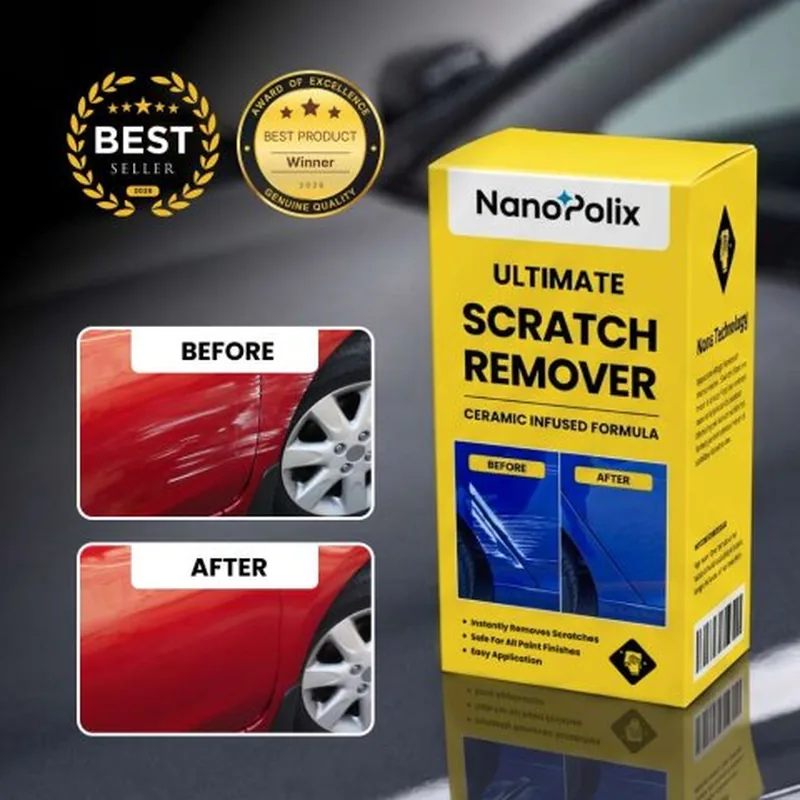
The sales page frames NanoPolix as removing "100% of all scratches," and some of its testimonials describe deep key gouges disappearing entirely. Treat that framing with real skepticism: a wipe-on cloth can smooth clear-coat-level defects, but it can't rebuild paint that's been physically removed down to color or primer. For that kind of damage, actual paint correction or a respray is still what's needed.
Who It's a Good Fit For
The natural fit is anyone who wants an easy, repeatable way to deal with the everyday cosmetic damage that builds up on a car over time — the kind of mark you'd otherwise just live with rather than pay a body shop to fix. It's a weaker fit for anyone expecting it to substitute for real paint repair on deep gouges or damage that's visibly down to bare metal or primer — the full review goes through why in more detail. Setting the right expectation from the start (surface-level correction, not structural repair) is the difference between being satisfied with the results and being disappointed by them.
Key Features & Highlights
- Reusable microfiber cloth with nano-metal polishing particles built in
- No water, separate compound, or drying time required
- Designed for swirl marks, light scuffs, water spots, and oxidation haze
- Marketed as safe across paint colors and finishes
- Simple three-step process: clean, rub, buff
- Backed by a 30-day money-back guarantee
Getting Started
- Wipe the affected area dry to clear away dust and debris.
- Rub the cloth firmly over the mark in small circular motions.
- Buff away any remaining residue with a clean section of the cloth.
- Store the cloth for reuse on the next mark.