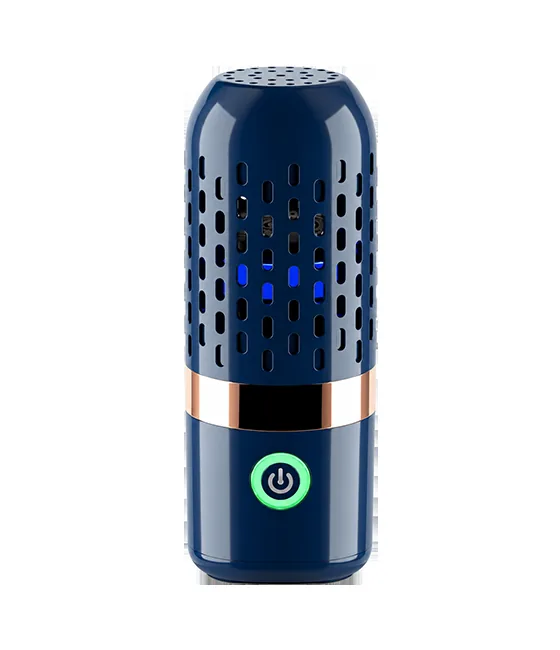
PodBloom Review 2026: Scam or Legit Produce Washer?
 By Ava Sinclair · Updated August 24, 2026
Key Takeaways
Rinsing produce under the tap doesn't do much about wax coatings or pesticide residue baked onto the skin, and that gap is why "ionic" and "ozone" produce washers have become a small but steady category of kitchen gadgets. PodBloom is the latest entrant: a small waterproof pod with titanium electrodes that you drop into a bowl of water, where it's meant to electrolyze the water into active ions that lift residue and grime off fruit and vegetables over a roughly 10-minute soak.
- PodBloom is a handheld electrode pod, not a spray or soak solution — you fill a bowl with plain tap water, drop the pod in, and let it run for about 10 minutes.
- The underlying chemistry (electrolysis generating oxidizing ions in water) is real and used in other ionic cleaning products — it isn't invented technology, though the manufacturer publishes no independent lab test of how much residue it actually removes.
- The "water changes color" visual is real basic chemistry, but a color change alone doesn't tell you how much of a specific pesticide or wax was removed — treat it as suggestive, not as proof.
- Pricing runs $59.95 for a single unit down to $35.98 each in a 3-pack with free shipping, backed by a 30-day money-back guarantee.
Produce washing has quietly become its own small appliance category — vegetable-wash sprays, baking-soda soaks, and now a wave of "ionic" or "ozone" electrode devices that promise to do more than a plain water rinse. PodBloom's pitch sits in that last group: instead of chemicals or a spray bottle, it's a self-contained pod you drop into a bowl of water, where titanium electrodes are meant to split water molecules and generate active ions that break down pesticide residue, wax coatings, and surface grime at a molecular level. Whether that actually outperforms a good rinse and scrub is the question worth digging into before you buy one.
What Is PodBloom, Mechanically?
Strip away the marketing and PodBloom is a small, sealed, IPX7-rated pod built around a titanium electrode pair and a single power button, charged wirelessly on its included base. You fill a bowl with plain tap water, submerge your produce, drop the pod in, and press the button — the electrodes electrolyze the water, generating reactive oxidizing ions (the manufacturer's copy calls these "OH-Ions") that are meant to break down pesticide residue, wax coatings, and surface grime over about a 10-minute cycle. The body is described as detachable for washing between uses. This is the same basic principle behind other electrolytic water-treatment devices — not a fabricated mechanism — though PodBloom's own marketing doesn't disclose battery capacity, run time per charge, or how often the electrodes need replacing.
Who PodBloom Is For
This fits households that already rinse produce by hand and want a low-effort upgrade — drop it in a bowl, walk away for 10 minutes, rinse — without buying a spray bottle of cleaning solution or committing to a baking-soda soak routine. If you buy a lot of produce with visible wax coatings (some apples, cucumbers) or want a chemical-free option beyond plain water, the pitch is aimed at you.
It's not a sanitizer or a substitute for basic food-safety habits — the sales page makes no claim about killing bacteria or pathogens, only about lifting residue and grime, so don't treat a PodBloom cycle as a replacement for washing hands, cutting boards, or produce that needs peeling regardless.
PodBloom
Handheld ionic electrode pod for produce — drops into a bowl of water, IPX7 waterproof, wireless charging base.
$59.95 for one unit, down to $35.98/each in a 3-pack with free shipping (checkout-page pricing, current offer may vary).
✓ 30-day money-back guarantee, stated on both the sales page and checkout.
Visit Official Page → This offer is temporarily unavailable — showing our current alternative pick.Living With It
Day to day, the routine is simple: fill a bowl with tap water, submerge whatever produce you're cleaning, drop PodBloom in, and press the button. There's no chemical to measure out and no cartridge to swap — it runs on plain water, so the only ongoing cost is your own time and the roughly 10 minutes you wait. The device needs to be charged on its wireless base between uses, and because it's rated IPX7, it's designed to be fully submersible during the cycle itself, not just splash-resistant.
What Works in Its Favor
- A real, established chemistry mechanism. Electrolysis generating oxidizing ions in water is legitimate chemistry used elsewhere in ionic water treatment — this isn't a fabricated mode of action, even though the specific removal rate isn't independently tested here.
- No ongoing consumables. Plain tap water is the only input — no spray bottles, cartridges, or refills to keep buying, unlike a lot of produce-wash sprays.
- Specific, checkable hardware claims. IPX7 waterproofing and wireless charging are concrete specs you can verify against the product, not vague marketing language.
- 30-day money-back guarantee. Stated clearly on both the sales page and the checkout page, giving you a real window to decide if it's worth keeping.
Honest Limitations
- No independent efficacy data. There's no published lab test showing how much pesticide residue or wax coating PodBloom actually removes versus a thorough rinse-and-scrub — the "water changes color" visual is suggestive, not a measurement.
- Battery and electrode life are undisclosed. Run time per charge and how long the titanium electrodes last before needing replacement aren't published anywhere on the sales page.
- Trust signals lean on unsourced numbers. A "4.9 based on Thousands of Verified Reviews" claim and a "+2,000 households" figure both go unsourced, and five generic "As Seen On" publication logos name no actual outlet.
- Manufactured urgency framing. "Only 53 Left!" stock-scarcity language and a "70% off" discount anchored to an unverifiable list price are standard direct-response tactics, not information about the product itself.
Key Specs
- Mechanism
- Titanium-electrode electrolysis, generates oxidizing ions in water
- Cycle time
- About 10 minutes, dropped in a bowl of water
- Waterproofing
- IPX7, fully submersible
- Charging
- Wireless charging base included
- Build
- Detachable body for washing between uses
- Not disclosed
- Battery capacity, run time per charge, electrode replacement interval
Performance
The mechanism is plausible on its face — electrolytic water treatment is real and used in other consumer and industrial cleaning contexts, and a titanium electrode pair is a sensible, checkable design choice rather than a vague "quantum" or "nano" marketing term. What the sales page never provides is a controlled comparison: no before/after residue measurement, no third-party lab result, nothing beyond the color-change visual and customer testimonials. A color change in the water is real evidence that something was lifted off the produce, but it doesn't tell you whether that something was meaningful pesticide residue, ordinary dirt, or just tannins and surface compounds any soak would loosen. Expect a genuine, chemistry-backed cleaning boost over a quick tap rinse, not a scientifically quantified pesticide-removal percentage.
What the Sales Page Gets Right — and What It Doesn't
The hardware description holds up: a titanium-electrode pod, IPX7 waterproofing, a wireless charging base, and a roughly 10-minute cycle are specific, checkable details, and the electrolysis mechanism itself is grounded in real chemistry rather than invented. The 30-day guarantee is stated plainly in two places, which is more than some direct-response pages offer.
Worth knowing before you buy: the page leans on an unsourced "4.9 based on Thousands of Verified Reviews" claim, an unsourced "+2,000 households" figure, five unnamed "As Seen On" publication logos, manufactured stock-scarcity language ("Only 53 Left!"), and a "70% off" discount anchored to a list price with no independent reference point. None of that changes whether the electrode mechanism works as described — for that, the checkable hardware specs and the honest absence of lab-tested efficacy data are the more useful signal.
Verdict
PodBloom is built around a real chemistry principle rather than a gimmick, and the hardware claims — IPX7 waterproofing, wireless charging, a titanium electrode pair — are specific enough to check rather than vague marketing filler. What keeps this from an easy recommendation is everything around that hardware: no independent efficacy testing to back the pesticide-removal pitch, and a sales page that leans hard on unsourced review counts, unnamed press logos, and manufactured urgency rather than letting the mechanism speak for itself. If the idea of an ionic produce soak appeals to you and you're comfortable treating the "water changes color" demonstration as suggestive rather than conclusive, the 30-day guarantee gives you a real way to test it risk-free — just go in with tempered expectations about how much more it does than a thorough rinse and scrub.
This review reflects our independent testing and editorial opinion — see our Editorial Policy. GearGlobes may earn a commission from qualifying purchases; see our Affiliate Disclosure.
Frequently Asked Questions
Does PodBloom actually remove pesticides from produce?
PodBloom's electrolysis mechanism is real chemistry — it can generate oxidizing compounds in water that break down some organic residues — but the manufacturer publishes no independent lab test showing how much pesticide residue is removed on real produce. Treat the water color change as suggestive, not as proof of a specific removal percentage.
Is it safe to eat produce right after using PodBloom?
The device uses plain tap water and adds no chemicals, so a quick rinse after the cycle is the same as rinsing produce after any wash. The sales page doesn't publish any residual-byproduct testing, so if you have specific food-safety concerns, that's worth asking the manufacturer directly.
How is this different from just rinsing produce under the tap?
A plain rinse relies on physical water flow to knock loose surface dirt off. PodBloom's pitch is that its electrolytically generated ions chemically break down residue and wax coatings a rinse alone wouldn't touch, over a roughly 10-minute soak rather than a quick rinse.
What's actually covered by the 30-day guarantee?
Both the sales page and the checkout page state a 30-day money-back guarantee, framed as a straightforward return within 30 days of delivery. Confirm the exact return process (return shipping, restocking fees, if any) at checkout before you order.
Is the extended protection plan worth adding?
At checkout you're offered a one-time $9.95 add-on covering the unit for one year. Whether that's worth it depends on how you weigh the device's price against typical failure modes for a small waterproof electronic — the sales page doesn't disclose a warranty period without it, which is worth factoring in.
How long does a cleaning cycle take?
About 10 minutes — you fill a bowl with water, drop PodBloom in, press the button, and walk away. Rinse the produce and the pod itself once the cycle finishes.
Ready to try PodBloom?
See current pricing, bundle discounts, and the guarantee on the official page.
Read the full PodBloom Overview for specs, how it works, and where to buy — or browse more picks in Produce Washers.
Ava covers home comfort and smart-home tech at GearGlobes. Her reviews separate what a product actually does from how it's marketed, flagging claims that can't be independently verified rather than repeating them as fact.